及时行乐 (Jíshí Xínglè) is the Chinese equivalent of "Carpe Diem" - seize the day. This four-character phrase encourages living in the present and embracing life's pleasures while you can.
The Meaning of 及时行乐 (Jíshí Xínglè)
及时行乐 is a classical Chinese idiom that translates to "seize the moment and enjoy life" or "make merry while you can." It expresses the philosophy of living fully in the present, appreciating life's pleasures before time passes.
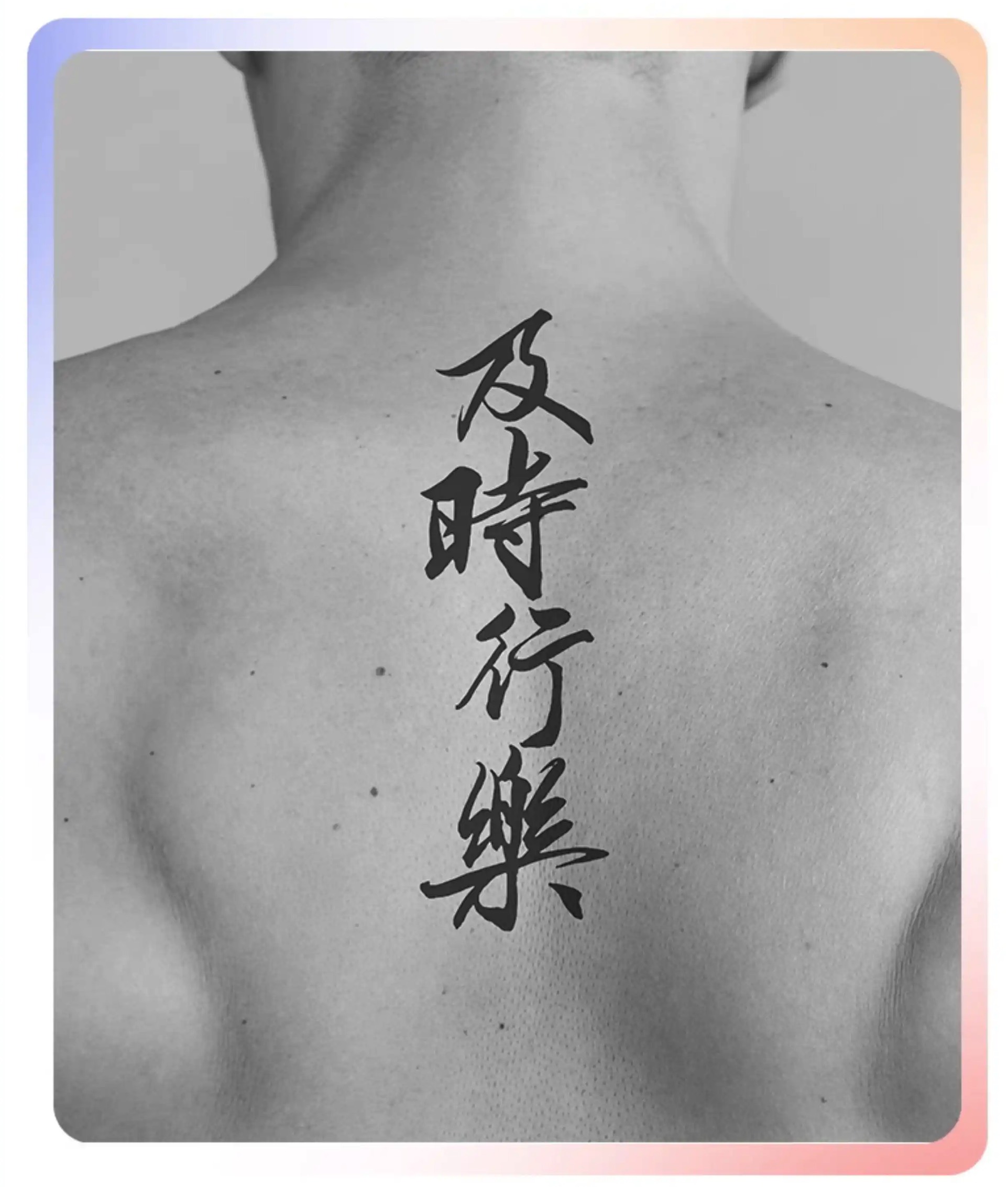
Breaking Down the Characters
及 (Jí) - Reach, In Time
This character means "to reach" or "in time for." It conveys the sense of catching something before it's too late.
- Meaning: Reach, attain, in time
- Pronunciation: Jí (jee, 2nd tone)
时/時 (Shí) - Time, Moment
Represents time, the present moment, or an opportune period.
- Traditional: 時
- Simplified: 时
- Meaning: Time, hour, season, opportunity
行 (Xíng) - Act, Do
A versatile character meaning to walk, act, or carry out. Here it means "to pursue" or "to engage in."
- Meaning: Walk, act, conduct, practice
- Pronunciation: Xíng (shing, 2nd tone)
乐/樂 (Lè) - Joy, Pleasure
Represents happiness, joy, and pleasure. One of the most positive characters in Chinese.
- Traditional: 樂
- Simplified: 乐
- Meaning: Joy, happiness, pleasure, music
The Philosophy Behind 及时行乐
This phrase reflects several important Chinese philosophical concepts:
- Impermanence - Recognition that time passes and opportunities are fleeting
- Present-moment awareness - Focus on the now rather than worrying about the future
- Balance - Appreciating life's pleasures while being mindful
- Authenticity - Living true to yourself and your desires
Historical and Literary Context
The phrase appears in classical Chinese literature and poetry, often expressing the sentiment that life is short and should be enjoyed. It shares a similar spirit with the Latin "Carpe Diem" but carries its own cultural nuances:
- Found in ancient Chinese poetry celebrating life's fleeting beauty
- Connected to Daoist philosophy of living naturally and freely
- Used in contexts celebrating friendship, wine, and nature
Traditional vs. Simplified Forms
| Form | Characters | Notes |
|---|---|---|
| Traditional | 及時行樂 | More ornate, preferred for artistic tattoos |
| Simplified | 及时行乐 | Modern, cleaner appearance |
Related Phrases and Alternatives
- 活在当下 (Huó zài dāngxià) - Live in the present moment
- 珍惜当下 (Zhēnxī dāngxià) - Cherish the present
- 今朝有酒今朝醉 (Jīnzhāo yǒu jiǔ jīnzhāo zuì) - "Drink today's wine today" - similar sentiment
- 把握当下 (Bǎwò dāngxià) - Seize the present
- 人生苦短 (Rénshēng kǔ duǎn) - Life is short
Tattoo Design Considerations
When considering 及时行乐 as a tattoo:
- Four-character format - Creates a balanced, classic Chinese aesthetic
- Vertical arrangement - Traditional and elegant for tattoos
- Horizontal arrangement - More modern, suitable for arm or back
- Character choice - Traditional characters (及時行樂) appear more artistic
Who This Tattoo Is For
及时行乐 is perfect for those who:
- Value living in the moment
- Have overcome challenges and learned to appreciate life
- Embrace a "seize the day" philosophy
- Want a meaningful reminder to enjoy life
- Appreciate the balance between responsibility and pleasure
Common Misunderstandings
Important note: While this phrase encourages enjoying life, it's not about reckless hedonism. In Chinese culture, it carries a sense of wisdom - appreciating pleasures while understanding their transient nature.
Calligraphy Styles
For a four-character phrase like 及时行乐, these styles work beautifully:
- Kaishu (楷书) - Standard script, clear and dignified
- Xingshu (行书) - Semi-cursive, flowing and dynamic
- Caoshu (草书) - Cursive script, artistic and expressive
- Lishu (隶书) - Clerical script, ancient and authoritative